
TOWER HAMLETS FOOD POVERTY NETWORK
Towards a fair and food secure Tower Hamlets
Who We Are
Across Tower Hamlets, many organisations are dedicated to supporting residents experiencing food insecurity and financial hardship. Together, we work to reduce barriers, create dignified pathways into support, and strengthen community resilience.
The Tower Hamlets Food Poverty Network brings these organisations together to:
- share learning, insight and best practice
- coordinate where it makes sense to do so
- colectively improve access to dignified support
- advocate for long-term solutions to poverty
- strengthen the local food aid ecosystem
This plan sets out our approach for 2026, building on work delivered throughout 2025 and the priorities developed at the Network Conference in October.

Our Vision
The Network is guided by a clear vision and mission developed with our members.
A Tower Hamlets where everyone has the tools, resources, and community support to live wel with dignity, free from poverty.
Our Mission
We strengthen, support, and connect those working on the frontlines of food poverty in Tower Hamlets by focusing on five strategic priorities:
- Community & Network
- Strategy & Impact
- Resources & Quality
- Logistics & Infrastructure
- Campaigns & Advocacy
Our Value
- Dignity: Everyone deserves respect in how they access food and support.
- Quality: We aim for consistently high standards of service across the borough.
- Grassroots: We are rooted in the lived realities of our communities.
- Inclusion: Al members are encouraged and supported to participate actively.
- Colaboration: We work together, not in isolation, to achieve greater impact.
Community & Network
Strategy & Impact
Resources & Quality
Improve dignified access to food and related support for people in financial hardship. Build capacity across the network through funding, training and tools, with an emphasis on quality standards and sustainability.
What we’ve done
- Completed a train-the-trainer programme for conflict management and de escalation, enabling us to deliver training to organisations in 2026
- Completed and supported delivery of Advice First Aid and guidance-related training
- Identified the need for nutrition and healthy-swaps support
- Shared good practice on volunteer support, safeguarding and service standards
- Begun strengthening partnerships that help organisations connect residents with wider support
What we want to do
- Develop shared guidance on dignity and cultural appropriateness
- Support organisations to access training on
- Strengthen partnerships with advice, guidance and other wrap-around support organisations
- Help organisations develop or connect into pathways so residents can access wider support beyond food (advice, welbeing, skils, referral partnerships, etc.)
What’s next for 2026
- Deliver nutrition & healthy swaps training (subject to funding)
- Expand conflict management training for organisations experiencing queue pressures
- Broaden Advice First Aid training through new delivery partners
- Develop a shared Quality in Food Support framework
- Support organisations to identify and build partnerships that enhance wrap-around support
Logistics & Infrastructure
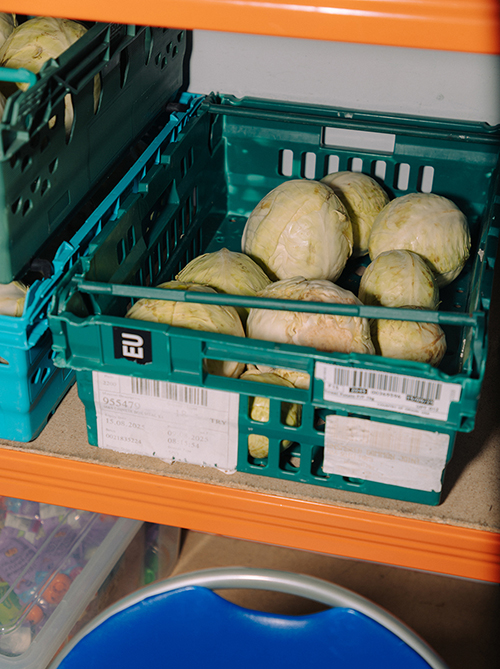
Develop shared approaches to procurement, storage, transport, and distribution so that food support is reliable, equitable, and efficent.
What we’ve done
- Strengthened partnership with The Felix Project, increasing food into TH by 28% (valued at ~£3.66m).
- Facilitated movement of food between providers during the Food Hub pause.
- Identified boroughwide chalenges around storage, access, capacity and transport.
- Begun outreach to secure freezer and refrigeration space on LBTH-owned sites.
- Launched a volunteer drivers pilot to improve last-mile distribution.
What we want to do
- Improve reliability, equity and efficiency across food logistics.
- Increase boroughwide access to chiled and frozen food.
- Coordinate procurement, storage and transport more effectively.
- Develop shared solutions to meet the needs of al providers.
What’s next for 2026
- Secure freezer and refrigeration space to unlock nearly £7m of frozen food annualy.
- Expand the volunteer drivers programme to more providers.
- Increase coordination of last-mile distribution for equitable access.
- Develop shared guidance on storage capacity, food safety and transport.
- Explore opportunities for shared procurement or transport pooling.
Campaigns & Advocacy
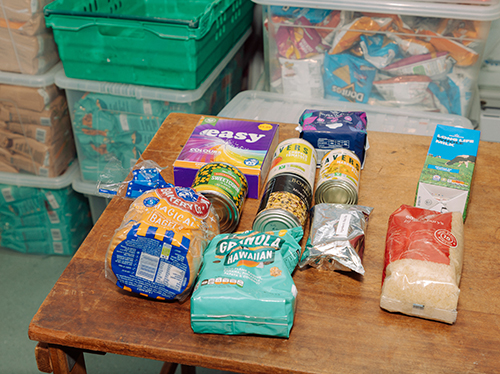
Advocate collectively for long-term change, amplify the voices of those with lived experience, and influence policies that address the root causes of poverty.
What we’ve done
- Coordinated boroughwide communication on key issues
- Identified with members cross-sector themes such as housing and advice access and others
- Led colective advocacy that contributed to reinstating Food Hub funding.
- Worked closely with LBTH public health team informing and contributing to the food strategy program.
What we want to do
- Support organisations to participate in boroughwide consultations
- Strengthen advocacy around long-term solutions to hardship, not just emergency response
- Ensure residents’ voices remain central to strategic thinking
What’s next for 2026
- Develop shared messaging on emerging themes (housing, income, access, welbeing)
- Support providers to engage confidently in boroughwide conversations
- Build practical tools for organisations to communicate needs and insights
Network Coordination & Governance
- Maintain a Steering Group open to members who wish to take an active role
- Establish five Working Groups aligned with the five strands
- Hold quarterly networking events to strengthen relationships and learning
- Continue improving governance with support from legal advisors
- Ensure the Network remains inclusive of organisations of al sizes, including volunteer-led groups
Commitment to Collaboration
The Network commits to:
- keeping members informed through clear, timely communication
- offering support and guidance on shared processes and engagement
- ensuring residents’ insights and needs are reflected in colective work
- supporting smaler organisations through peer networks and shared learning
- creating practical tools for improving coordination across the borough